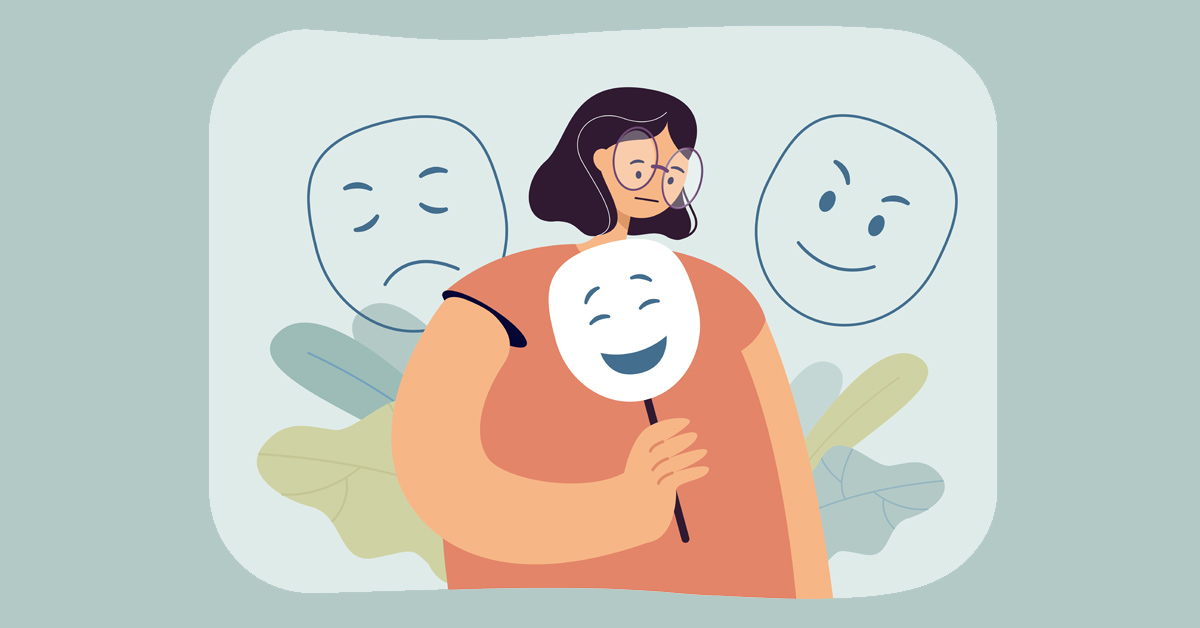
Living with borderline personality disorder (BPD) can present unique challenges, but there are treatment options, coping strategies, and practical tips that can help individuals navigate their daily lives more effectively. By implementing these strategies, individuals with BPD can enhance their overall well-being, manage their emotions, and build healthier relationships. In this post, we explore some practical coping strategies that can make a positive difference in the lives of those with BPD.
Develop Self-Awareness and Mindfulness
Self-awareness is a crucial aspect of managing BPD. Take the time to identify your triggers and recognize the early signs of distress. By being aware of these triggers, you can proactively respond to them in a healthier way. Treatment options, such as Dialectical Behavior Therapy, are available to help individuals with BPD become more aware of their triggers and learn healthier ways of coping. Mindfulness practices, such as meditation or deep breathing exercises, can also help you stay present at the moment and manage overwhelming emotions more effectively.
Build a Support Network
Creating a strong support network is vital for individuals with BPD. Being surrounded by understanding, compassionate individuals can be a way to get emotional support and encouragement when you need it. Consider joining support groups, both online and offline, where you can connect with others who share similar experiences. Having a support system can offer a sense of validation, reduce feelings of isolation, and provide valuable guidance during difficult times.

Practice Emotional Regulation Techniques
Emotional dysregulation is a common challenge for individuals with BPD. Learning techniques to regulate and manage your emotions can be extremely valuable. Engaging in activities like journaling, art therapy, or grounding exercises can be a good way to find a healthy outlet for your emotions. Plus, practicing relaxation techniques, such as progressive muscle relaxation or deep breathing exercises, can help with reducing emotional intensity.
Set Boundaries and Practice Self-Care
Establishing boundaries and practicing self-care are essential components of maintaining emotional well-being. Remember that there is no shame in saying no when you are feeling overwhelmed, or simply need some time for yourself. Spend time engaging in activities that bring you joy or help you feel more relaxed, whether that’s reading a book, taking a warm bath, or spending time in nature. Making your self-care a priority will help recharge your energy and promote emotional balance.
Improve Interpersonal Skills
Relationship difficulties are not uncommon for those with BPD. It can be useful to spend time learning and practicing effective communication skills, either with the help of a therapist or in your own time. Focus on expressing your needs assertively, active listening skills, and validating the emotions of others. While building healthier relationships and interpersonal skills can take time and effort, it can lead to more stable, fulfilling connections over time and with practice.