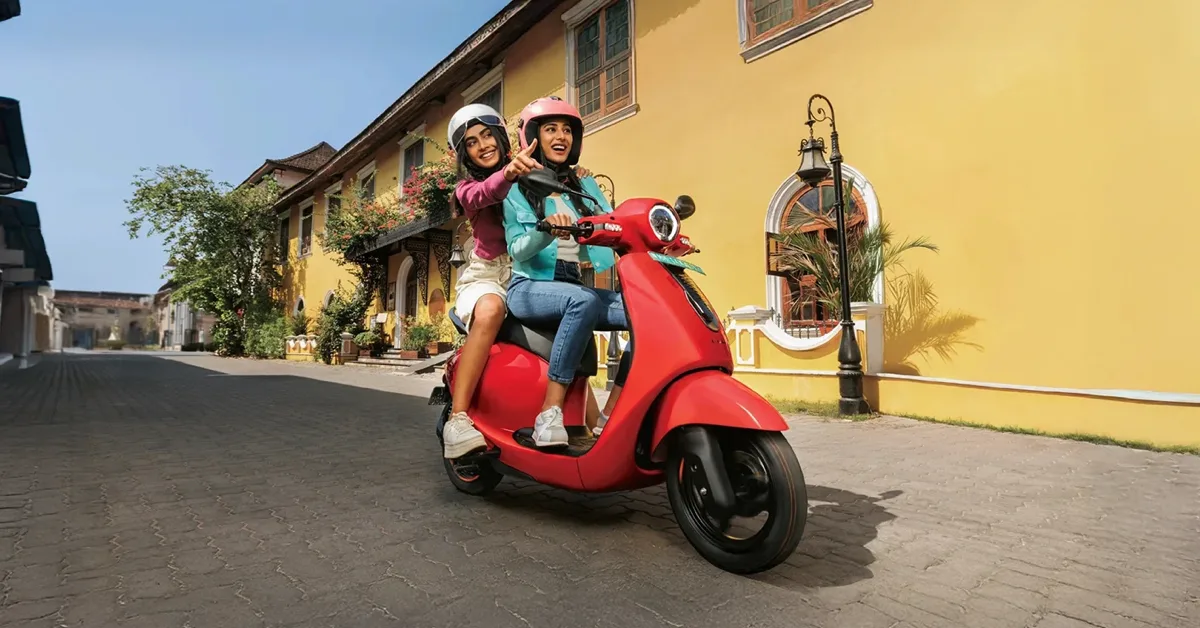
Urban commuting in India is changing fast, and electric two-wheelers are becoming a top choice for city travel. Electric 2-wheelers make sense for daily trips between home, office, markets, and schools.
Rising fuel prices, growing concerns about air quality, and better urban charging options are all drawing riders toward electric 2-wheelers. Riders now compare claimed range, comfort, and charging routines before deciding.
Growing sales and supportive government policies show that people trust electric mobility more than before. Let us explore why these vehicles are likely to shape the future of urban transport in India and how they benefit everyday riders.

5 Ways Electric 2-wheelers are Transforming Urban Mobility in India
As Indian cities evolve, the shift towards electric mobility is addressing critical challenges, from traffic congestion to environmental health. Here is how electric 2-wheelers are redefining daily commutes and driving the transition to cleaner, more efficient transport networks.
1. Electric 2-Wheelers Can Help Reduce Urban Congestion
India’s cities are densely populated, and traffic jams are a daily reality for commuters. Conventional vehicles take up a lot of space, release pollutants, and add to noise and congestion. In contrast, electric 2-wheelers are compact and agile. Their smaller size allows riders to move through slow or stopped traffic more easily, cutting travel time and reducing road congestion.
Electric 2-wheelers also help reduce noise pollution. Most e-scooters produce little sound compared with petrol engines, making rides quieter for everyone on the road. This quieter operation supports improved quality of life in dense city areas where noise can affect daily comfort and health.
2. Cost Savings Encourage More Riders
Affordability and low operating costs are critical factors driving the rise of electric 2-wheelers. Electricity is cheaper per kilometre than petrol, and these electric vehicles have fewer moving parts than traditional scooters or bikes. This means lower maintenance costs, fewer service visits, and no fuel expenses, making them economical for daily commuters.
Government incentives and subsidy schemes under EV policies have helped make electric scooters more affordable for many riders. Although subsidy structures have changed over time, the government’s overall push has encouraged both riders and manufacturers to invest in electric 2-wheelers and related infrastructure.
3. Rapid Market Growth Shows Rising Demand
The market for electric two-wheelers in India has grown significantly in recent years. Electric scooters and bikes drive EV adoption, capturing a large market share with annual sales now exceeding one million units. This strong demand shows growing consumer confidence in electric 2-wheelers as a reliable everyday transport.
Market research also points to strong growth projections for the sector. The broader electric scooter and motorcycle market is expected to expand further in the coming years. This growth will be driven by rising urban demand, improvements in battery technology, and more affordable pricing for new riders.
4. Enhancing Daily Commutes with Superior Agility and Comfort
Daily urban commuters need vehicles that are easy to use, comfortable, and efficient. Electric 2-wheelers meet this requirement well, offering smooth acceleration, low noise, and fewer maintenance hassles than petrol scooters. Their agility gives riders an edge during peak traffic, helping them navigate narrow turns, roundabouts, and busy junctions with confidence.
They also offer a cleaner riding experience. With no exhaust emissions and lower vibration, riders often find e-scooters more comfortable for repeated stop-start city travel.
5. Smart Connectivity is Redefining the Riding Experience
Modern electric 2-wheelers are evolving into smart devices on wheels, offering features that go far beyond simple commuting. Unlike traditional scooters, many EVs now come with Bluetooth connectivity, turn-by-turn navigation, and dedicated smartphone apps.
These tools allow riders to monitor battery health, track charging status remotely, and even locate their vehicle in crowded parking lots. This digital integration adds an extra layer of convenience and security, transforming the vehicle from a basic mode of transport into a connected lifestyle asset.
6. Powering the Rise of Last Mile Delivery Services
Electric 2-wheelers are rapidly becoming the backbone of India’s gig economy and delivery sector. Logistics companies and food delivery platforms are switching to EV fleets to lower operational costs and meet sustainability goals.
This shift is transforming urban streets, as silent, emission-free delivery scooters replace noisy petrol alternatives. For gig workers, the lower running cost translates to better earnings, making electric mobility a powerful tool for economic empowerment in Indian cities.
7. Promoting Domestic Manufacturing and Job Creation
The surge in electric mobility is reshaping India’s industrial landscape. With government initiatives such as the Production Linked Incentive (PLI) scheme, there is a massive push for ‘Make in India’ components.
This shift is creating new employment opportunities in battery production, software development, and assembly lines. By localising supply chains, the electric vehicle industry is changing how people travel and how the nation builds its future economy.
Embrace Sustainable Urban Mobility and Experience the Future of City Travel
Electric 2-wheelers represent a powerful shift in how Indians will travel in cities in the coming decade. Their cost-effective operation, environmental benefits, ease of use, and compatibility with congested traffic conditions make them ideal for everyday commuting.
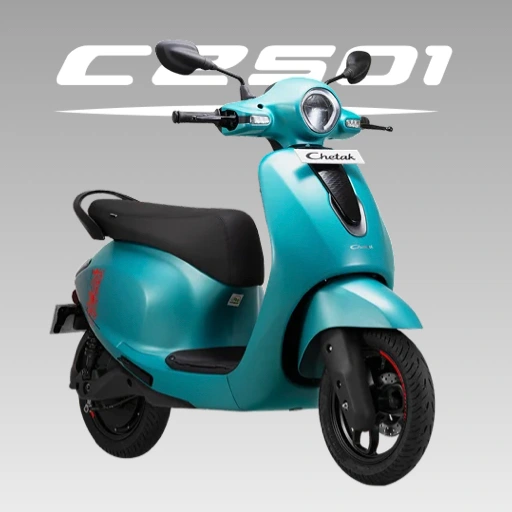
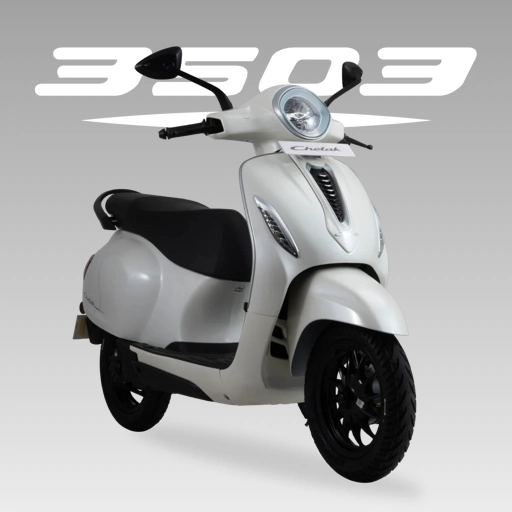
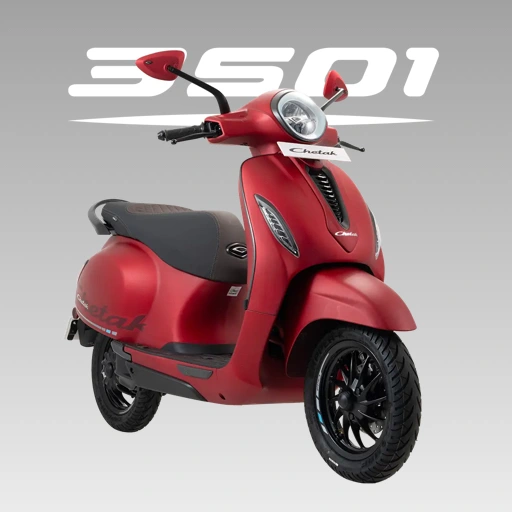
With supportive policies, growing infrastructure, and rising consumer awareness, electric 2-wheelers are already becoming central to India’s urban mobility transformation. Brands like Bajaj Chetak are helping shape this shift by offering practical designs, reliable service networks, and commuter-friendly features that suit city life.
As cities continue to expand, traffic challenges are undeniably growing. In this context, electric 2-wheelers will play a major role in building cleaner, quieter, and more efficient transport networks that benefit riders and communities alike.