ⓘ Disclaimer: The following article is the research work of one of the authors of LAFFAZ for knowledge purposes only. Always consult your doctor or healthcare provider in the first place.
The health requirements of our loved ones are more complicated as they get older. It deals with the control of several conditions intertwined with each other. Families often observe their parents having problems with memory, mobility, or mood. This is the reason why a special approach is important. Geriatrics diagnosis and evaluation give such answers. It is an entire process that aims at examining the individual as a whole. It assists families in understanding what is going on and guides them on the next steps to pursue.
What is Different about Geriatric Evaluation?
This does not involve a fast appointment. It is comprehensive in nature. It aims at identifying issues before they turn into disabilities. It is often believed that a person loses strength or memory as they grow older, but that is not always true. In many cases, these changes are treatable, can be slowed down, or even reversed. Geriatrics diagnosis and evaluation examines all aspects of health.

A Team That Works Together
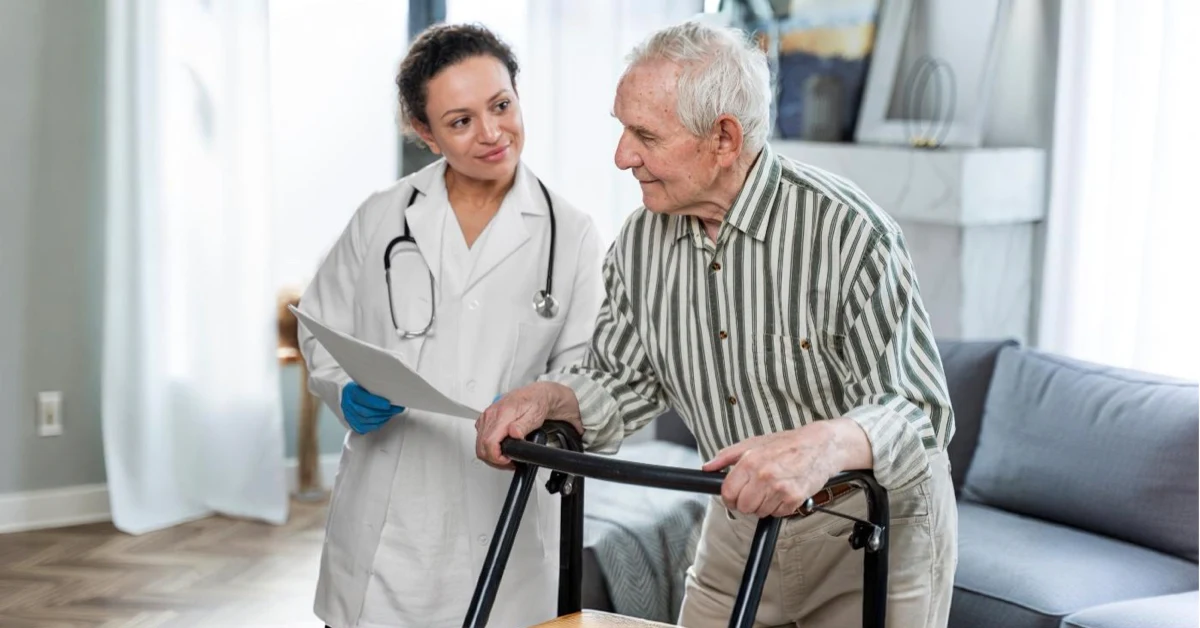
One doctor cannot do it all. This is the reason why a group of experts collaborates. This team consists of a geriatrician, who leads the process. It also includes physical therapists, occupational therapists, dietitians, and social workers. Every specialist has a different point of view.
They gather to deliberate on every case and share their findings. Such teamwork implies that nothing is overlooked.
Examination of Physical Health
This is not just checking the pulse rate and blood pressure. The group examines all the drugs that the individual takes. Elderly people are known to take multiple medications prescribed by various physicians. These medicines can have side effects that resemble new diseases. An individual can appear to be confused, yet a drug interaction may be the actual issue.
Engaging with the Family as Critical Partners
Families possess important information that the doctor cannot see; they often can. They observe the nocturnal disorientation, they are aware of the medications that are actually being taken, and they know about the family history.
Family members actively participate in the geriatric evaluation process. The team conducts family meetings without rushing, giving space to share observations and ask questions.
Families are also important in developing a realistic care plan. They must consider work responsibilities, other family commitments, and the physical limitations of caregivers. These are often difficult conversations.
Home and Support Systems
The home environment and the support system surrounding a person have a profound influence on their health. This is examined through social assessment.
A social worker interacts with the family to understand who is staying with the patient, identify the key caregiver, and evaluate the caregiver’s health and stress levels. An exhausted caregiver may not be able to offer safe care.
Self-examination of Mind and Emotions
One of the largest concerns of families is memory. The assessment incorporates simple tests to evaluate cognition. These tests are not intimidating—they may involve recalling a short list of words or identifying the current date.
This helps doctors distinguish between mild forgetfulness and serious memory loss. Emotional health is equally important. Depression is highly prevalent among the elderly and often goes unnoticed.
How Families Can Help
Families play a significant role in this process. They know the person best and notice small changes at home. For example, they may observe when a parent stops calling contacts or withdraws from daily routines. These details are valuable clues for healthcare professionals.
During the assessment, families are encouraged to be vocal. Their participation makes the care plan more practical and effective.
Conclusion
Caring for an aging loved one is a demanding responsibility filled with care and concern. It can feel overwhelming at times. However, families do not have to navigate it alone.
Comprehensive geriatrics diagnosis and evaluation help turn confusion into clarity. It replaces uncertainty with a structured approach, enabling better decisions and improved care outcomes.