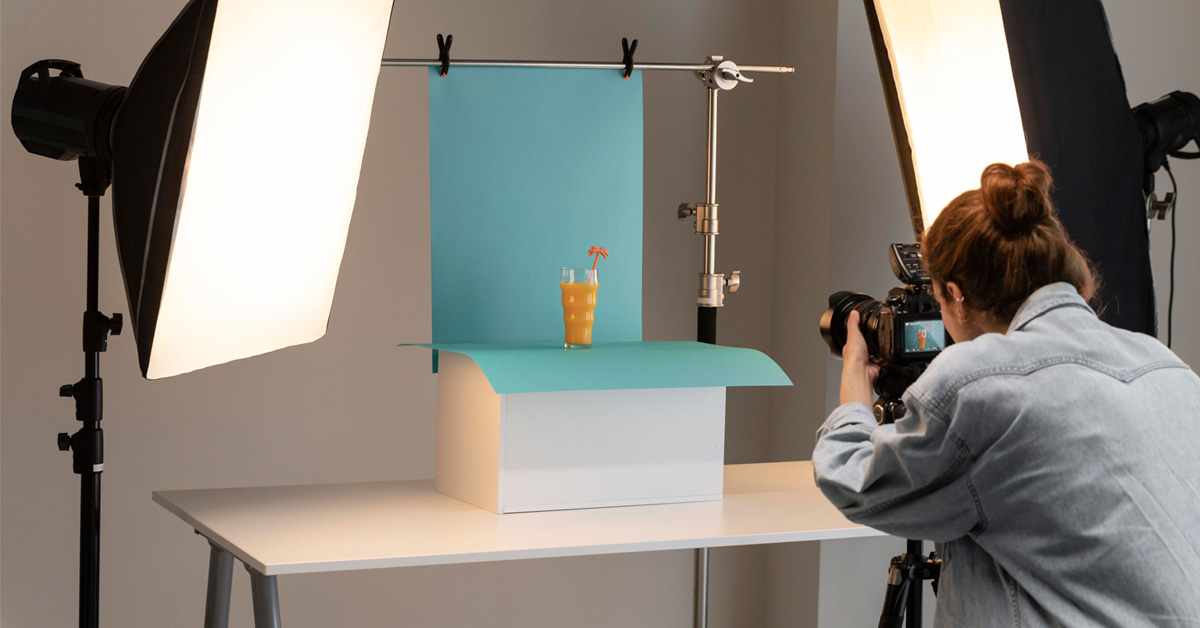
Online shoppers can’t pick up a product, turn it over, or feel the fabric before they buy — which is exactly why the image does all that work instead. According to a research from GrabOn, over 67% of online shoppers rank photo quality as more important than any other content on a product page, ahead of descriptions and reviews alike. In a market this crowded, a photo isn’t just packaging — it’s the pitch. The brands that treat their product shots as stories, not just specs, are the ones that turn a scroll into a click.
With such a crowded market and short attention spans, you have to find a way to engage your audience and stand out from the rest. This is where the art of storytelling through product photography comes in, whether you are showcasing an art print or highlighting the sleek design of a photo frame. Product photos that tell a story act as more than just a showcase; they also enhance your brand’s story and engage consumers.
In this post, we will explore the art of storytelling in product photography and how it can make the difference between a scroll and a click.
Hire photographers who are committed to your story
External agencies can capture great photos, but they can’t always take ones that accurately represent the story of your product and brand.
External photographers may just want to snap a pic and pick up the check. That’s why it’s better to hire someone from your creative team who knows the ins and outs of your brand’s story and how to represent it. They will be more committed to ensuring that your storytelling is accurate, consistent, and reaches the right audience.
Preparation is everything
Planning is so important if you want to master the art of visual storytelling. Create a diverse and visually appealing shot list before you start taking any photos. You may not be able to remember all of the shots that you want to take during the rush of a shoot, and shot lists will help you to stay on track.
Think of your target audience
As much as it’s important to keep the story that you want to tell in mind, it’s equally as important that you craft it to suit the people you want to tell it to.
Understanding the needs, desires, and frustrations of your target audience will allow you to create product photography that resonates with them. This will drive their engagement with your brand or product.
Give context to the product
Using storytelling in your product photography is crucial as consumers become increasingly comfortable buying items solely on online marketplaces. Context is crucial to any story, and it’s essential to your product photography if you want to give consumers a complete shopping experience.
22% of shoppers cited inaccurate product photos as their reason for returning the product after purchasing it online. So, make sure that the context you give is truthful and accurate. You can provide context to your product by capturing images from various angles that are well-lit and sharp. They need to look like the real thing.
Showing how to use the product in an image will further help customers to understand the product better and the space that it occupies. If you have an online fashion store selling sports clothes, then include an action shot of a model wearing them. If you’re selling a pair of headphones, then snap someone listening to music with them.
Contextualizing your products will give consumers an understanding of how they can fit into their life, and in their own stories to come.
Choose the right setting
You need to prepare for more than just the foreground. Carefully scouting an area to shoot at is equally important. The setting must enhance the story of the product.
If you’re selling swimwear, then photograph the product in locations that have water, like a lake, pool, or beach. The right setting not only showcases the product but also evokes feelings that align with the brand’s values.
Incorporate symbols
Incorporating symbols into your product photography can convey your story more clearly. For instance, if your product is a drink, then consider shooting it where it would appear more desirable, such as in a dry, desert-like background. This can convey the message that it is desirable and will satisfy the customer.
The lighting
Lighting is essential to all photography, but it’s especially important when it comes to storytelling through product photography.
Lighting enhances the mood and emotion of the photo. Choose compositions that align with feelings of happiness, sadness, or whichever emotion you would like to portray. For example, cooler lighting creates a sense of calm, whereas yellow lighting can create a sense of happiness and warmth.
Create an emotional connection to the product
Creating an emotional connection with the customer through the story of your product is essential. While lighting can convey emotion, you need to establish a more emotional connection to the product, too.
If the product is a toy, then showcase the happiness and excitement it can bring by photographing children playing with it. If it’s a jacket, then demonstrate the sense of warmth it brings to those who wear it.
Emotional connections create lasting impressions on the customer and can incentivize them to purchase your product.
Variety is key
When it comes to e-commerce, consumers want to get a complete feel of the product that would mimic their experience in a store. Taking one single angled shot of your product will not convey its story accurately. Offering a variety of product photos leads to 58% more web sales.
Get snapping
With the increasing number of online marketplaces, it’s more important than ever to learn how to showcase your products in appealing and engaging ways. Product photography is more than just a picture. It needs to curate an image that tells the story of the product and how it relates to the brand.
Great product photography doesn’t just show what something looks like — it tells the customer why it matters. Every angle, every light choice, and every setting is a chance to answer the question a shopper can’t ask in person: what will this feel like in my life? Brands that lean into that storytelling, rather than settling for a flat catalog shot, don’t just reduce returns and boost engagement — they build the kind of visual trust that keeps customers coming back long after the first purchase.