San Francisco-based AI startup Harness has secured a $240 million Series E round that has valued the company at $5.5 billion. With the fresh funds, the company aims to scale its AI-driven DevOps automation to tackle the fast-growing after-code bottleneck in software development. The company plans major R&D expansion, global hiring, and deeper AI accuracy improvements.
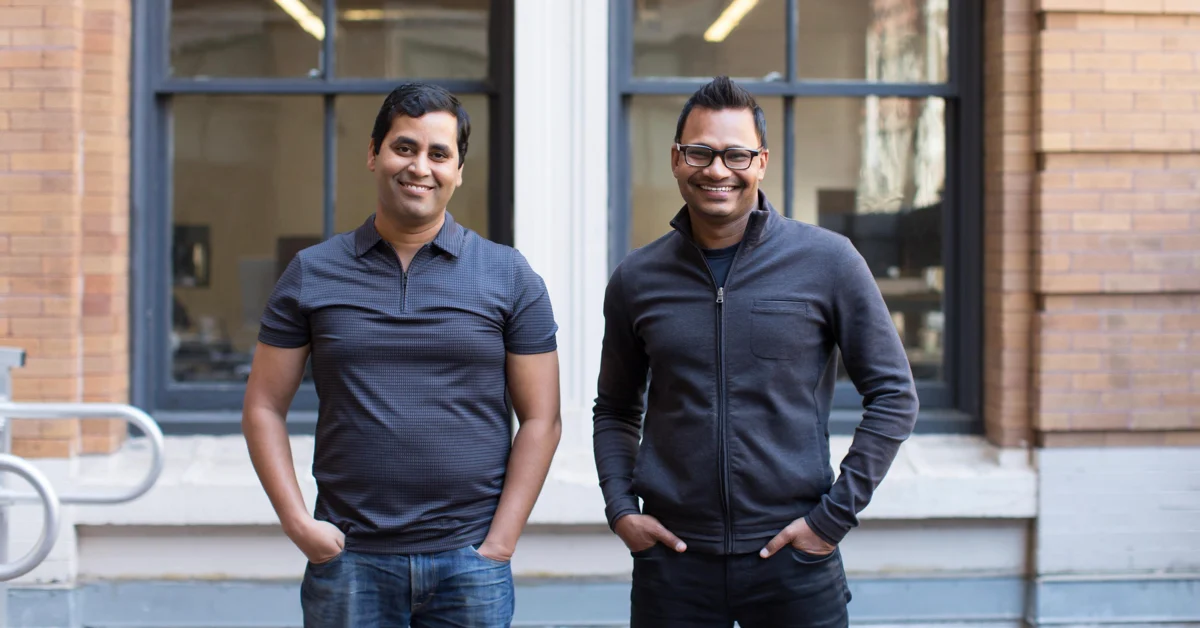
Harness was founded in 2017 by Jyoti Bansal and Rishi Singh. Bansal, a serial tech entrepreneur, previously built and sold AppDynamics to Cisco for $3.7 billion, while Singh was a DevOps platform architect at Apple before co-founding Harness
Bansal in a statement to TechCrunch said, the company is on track to exceed $250 million in annual recurring revenue in 2025. The fresh Series E round includes a $200 million primary investment led by Goldman Sachs and a planned $40 million tender offer with participation from IVP, Menlo Ventures, and Unusual Ventures. Bansal said the tender offer is designed to give long-term employees some liquidity.
The valuation marks a 49 percent jump from Harness’s $3.7 billion valuation in April 2022. With this round, the San Francisco company has raised $570 million in equity to date.
As AI accelerates code generation, teams are struggling with the far more complex after-code phase that includes testing, security checks, governance, and deployment. This layer consumes nearly 70 percent of engineering time, even as AI tools flood systems with more code than ever before.
Harness aims to automate this entire workflow. The company uses AI agents built on a software delivery knowledge graph that maps relationships between code changes, services, deployments, tests, environments, incidents, policies, and costs.
Bansal said the graph is a core differentiator because it provides “the context that our AI agents use.” The AI then generates pipelines tailored to each customer’s architecture, policies, and operational requirements.
An orchestration engine converts the AI’s recommendations into automated actions, with safeguards to ensure changes are deployed safely. But Bansal noted the system is designed with human oversight, saying AI-generated tests or fixes must be reviewed by engineers, compliance teams, or auditors before use.
Harness competes with GitHub, GitLab, Jenkins, and CloudBees, yet the company claims strong traction with more than 1,000 enterprise customers, including United Airlines, Morningstar, Keller Williams, and National Australia Bank. Over the past year, Harness has managed 128 million deployments, 81 million builds, protected 1.2 trillion API calls, and helped customers optimize $1.9 billion in cloud spending.
The company employs over 1,200 people across 14 global offices, with India forming a major engineering hub. Around 33 percent of its workforce is based in India, and its Bengaluru development center is the largest outside the U.S. Harness plans to hire hundreds of new engineers there while expanding R&D and enhancing automated testing, deployment, and security capabilities.
Bansal merged his observability startup Traceable with Harness earlier this year, a move he said has strengthened the company’s ARR outlook.
“We brought the two companies together because we started to see that DevOps and application security are coming together in a very, very deep way,” said Bansal to Techcrunch
“We have seen that turned out to be a very, very successful thesis this year … that’s driving a lot of growth for both of our DevOps and application security set of products.” Bansal added
While the latest raise gives some employees a chance to cash out, Bansal said he still plans to take Harness public eventually, though he did not provide a timeline. “That’s what our goals and plans depend on,” he said of an IPO. “Our business is very, very healthy, very strong, high growth and margins, and it will be a great public company when the timing is right.”
Editor’s Note
Indian-origin technologists continue to shape the global tech landscape, and founders like Bansal and Singh reflect that momentum. Their success with a high-growth AI startup in the U.S. underscores how Indian talent is driving innovation, leadership, and billion-dollar enterprise creation abroad. As more India-born engineers rise across Silicon Valley, their influence on the next generation of AI and enterprise software continues to accelerate.