Bengaluru-based food delivery startup Swish has raised $38 million in a Series B funding round. The company is now valued at $139 million.
Hara Global and Bain Capital Ventures led the investment. Existing backers Accel, Stride Ventures, and Alteria Capital also participated in the round. The total funding for Swish now comes around to $54 million across three funding rounds within 18 months.
The company operates a full-stack food delivery business. Swish owns and manages its own kitchens, supply chain logistics, and delivery fleet. Unlike marketplace platforms, Swish does not partner with third-party restaurants.

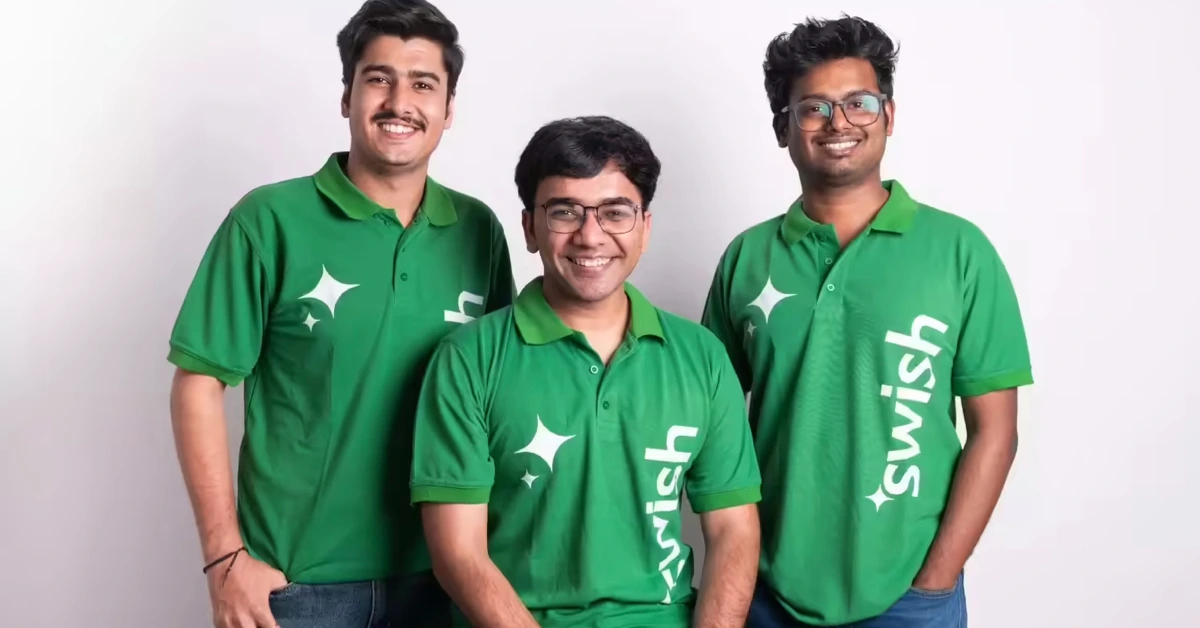
Founded in 2024, Swish is the brainchild of Aniket Shah (CEO), Ujjwal Sukheja, and Saran S. The company zeroes in on bustling urban areas. Delivery personnel work within a compact one-kilometer zone surrounding each kitchen cluster. This strategy is what allows Swish to offer its trademark ten-minute delivery.
“Over the past 18 months, we have focused on creating a fresh food supply chain from the ground up, which reflects in the strong consumer love for our product and has rapidly positioned Swish as the preferred destination for ordering food in Bangalore. Owning every part of the decision in the food supply chain is the only way to serve high-quality, fresh food in 10 minutes to consumers at scale. With the new round of funding, we are poised to accelerate our expansion in a lot more neighbourhoods across cities. We’re looking to surpass existing standards in the food delivery market, set an exceptionally high bar of experience, and grow multifold in the next few months,” said Aniket Shah, CEO and Co-founder of Swish, in the funding announcement post
Swish currently processes 20,000 orders daily across 10 micro-markets in Bengaluru. The company handled only 5,000 daily orders four months earlier. This rapid growth reflects strong demand for the service within target areas.
The menu features more than 200 individual items. These include complete meals, snacks, and beverages for various times of day. Average order values range between ₹200-250, equivalent to $2-3 USD. Many customers place 10 or more orders each month. The primary user base consists of urban consumers aged 20-35 years old.
“We are very dense, very close to the customer, ensuring that we are able to almost act like a restaurant kitchen, bringing food to your table,” said Co-founder and CEO Aniket Shah to TechCrunch.
It is worth noting that larger platforms face different challenges in the quick-delivery segment. Swiggy, Zepto, and Zomato recently scaled back their respective 10-15 minute delivery initiatives. Each company cited high operational costs and logistical complexity as primary factors.
”India’s quick-commerce adoption has reset consumer expectations around speed, reliability, and convenience but food delivery has largely been optimized for planned, higher-value meals. Swish is targeting a much larger, more frequent surface area: breakfast, snacks, tea, late-night, and solo meals. The opportunity is not just to take share within food delivery, but to expand the market by bringing more daily consumption online.” said Saanya Ojha, Partner at Bain Capital Ventures
Swish reports a different outcome at its established kitchen locations. The company states that older clusters have achieved profitability, though it has not disclosed specific per-order margin figures for these operations.
“Urban India’s relationship with food is changing rapidly. Consumers want meals that are fresh, delicious and delivered quick. Swish has identified the path to delivering this customer promise as it controls the kitchen, the tech, and the last mile. We are thrilled to partner with Aniket, Ujjwal, Saran and the entire Swish team — a company we believe will define how a generation of Indians eats.” said Abhinav Chaturvedi, Partner at Accel
Swish plans to strengthen its presence within Bengaluru before entering new markets. The company targets Delhi-NCR and Mumbai as its next destinations. This expansion strategy depends heavily on maintaining high order volumes within dense urban clusters. The overall food delivery market continues to evolve rapidly across major Indian cities.