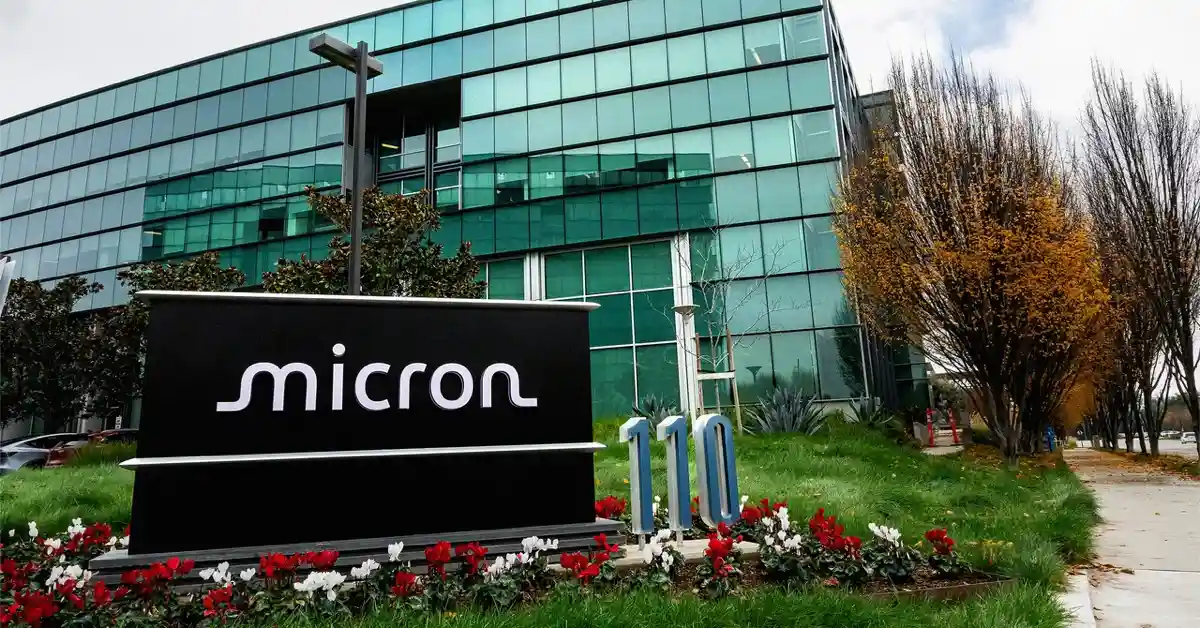
In a move that underscores the accelerating impact of the AI boom on global hardware supply chains, Micron Technology announced on December 3, 2025 that it will exit its consumer-memory business by February 2026 – bringing an end to nearly three decades of retail sales under its Crucial label.
Why Micron is shuttering Crucial
Micron’s decision comes as a direct response to surging demand for advanced memory chips, especially high-bandwidth memory (HBM), used in data centers and AI infrastructure. According to the company, the AI-driven growth in data-center workloads has triggered a “surge in demand for memory and storage,” prompting a reallocation of production capacity toward enterprise-grade solutions.
The consumer-business unit – once a staple for PC builders and general users purchasing RAM sticks and SSDs, contributed only a small portion of Micron’s total revenue. Industry analysts say the exit represents strategic reallocation rather than retreat, allowing the company to prioritize high-margin enterprise and AI customers.

What happens now – timeline & support
- Micron will continue shipping Crucial-branded RAM, SSDs and other storage products through retail, online platforms, and distribution channels until the end of February 2026.
- Warranty support and service for existing Crucial products will continue, but no new consumer-memory products will be launched once the phase-out is complete.
Impact on consumers, PC builders and the tech industry
Micron’s departure from the retail memory market reduces options for PC builders, gamers, and everyday consumers. As production shifts toward enterprise memory, availability of consumer-level RAM and SSDs is likely to shrink.
The move also amplifies the current memory-chip supply crunch. With major players prioritizing HBM and other high-performance memory required for AI, prices for consumer-grade DRAM and flash memory are already trending upward, a trend expected to intensify in 2026.
From an industry perspective, the shift marks a broader transformation as memory-chip makers reposition themselves to serve the rapidly expanding AI and data-center segments rather than traditional consumer hardware markets.
Market & industry reaction
Analysts suggest Micron’s move is unlikely to harm its long-term performance, as the consumer-memory business contributed minimally to overall revenue. Enterprise-grade HBM and data-center memory, the new focus, represent high-growth and high-margin opportunities.
However, the move may squeeze PC builders, gamers, and small OEMs by increasing prices and reducing availability, potentially impacting hardware launches and upgrades.
What to watch next
- Price shifts: Consumer RAM and SSD prices are expected to rise globally in 2026.
- Alternative suppliers: Demand may shift to remaining brands, speeding up market consolidation.
- Supply-chain effects: Smartphones, laptops, and other consumer hardware reliant on DRAM/NAND flash may also be impacted.
- Enterprise memory boom: The rate at which HBM production expands will be key as AI model sizes and data workloads continue their rapid climb.
As AI infrastructure spending accelerates, Micron’s exit from the consumer-memory market may mark a turning point for the global memory industry, and signal tougher times ahead for retail buyers of RAM and SSDs.