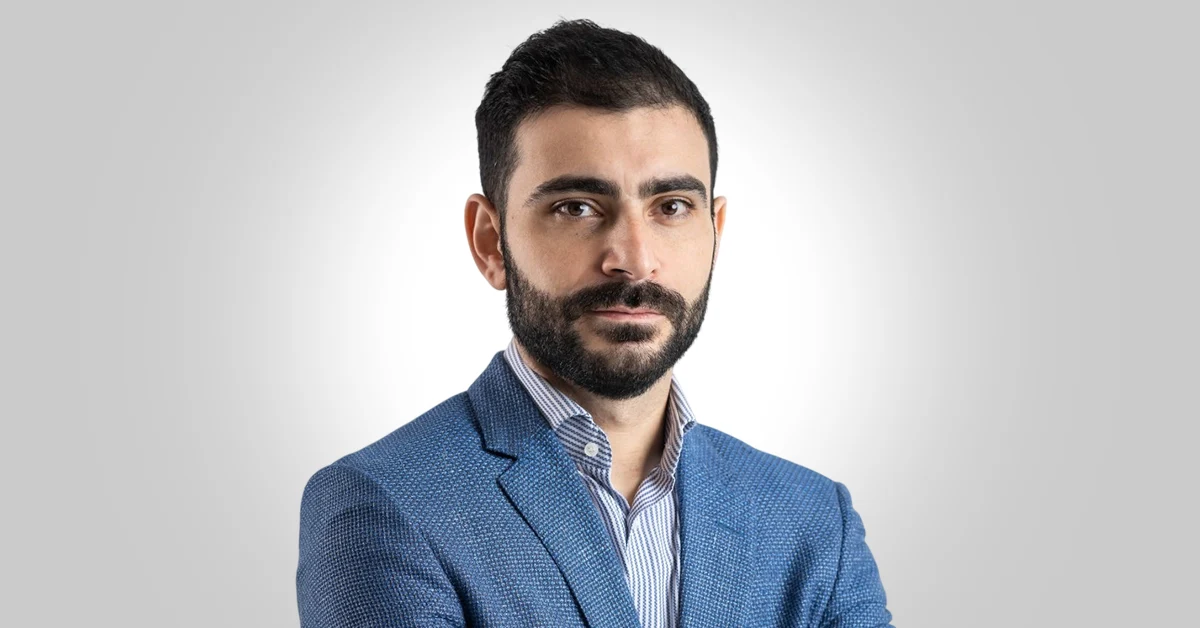
UpScrolled, a fast-growing social media app founded by Palestinian-Australian entrepreneur Issam Hijazi, has rapidly climbed app store rankings across the United States, United Kingdom and Australia, positioning itself as an alternative to mainstream platforms amid intensifying debates over censorship and free speech.
Launched in June 2025, the Sydney-based platform offers short-form video, image sharing and text posts in a chronological feed. It markets itself as a space free from “shadowbanning” and opaque recommendation systems — a contrast to algorithm-driven networks such as TikTok and Instagram.
The app’s surge followed renewed scrutiny of major social media companies over moderation practices and ownership changes. As political tensions and global conflicts have increasingly played out online, some users have sought alternatives they believe allow broader expression of political viewpoints.

Hijazi, a technologist who previously worked at IBM and Oracle, has described the platform as an attempt to create a transparent digital environment. Public statements on the company’s website say it is committed to providing “the freedom to express and share opinions in a healthy and respectful digital environment.”
The founder, Hijazi, has also spoken publicly about losing more than 60 relatives in Gaza during the ongoing conflict, describing the experience as a formative moment that shaped his belief in the need for open digital dialogue.
Within months of its launch, UpScrolled attracted millions of users and reached top positions in the social networking category of Apple’s App Store in several markets. Analysts attribute the rapid adoption to user dissatisfaction with existing platforms’ content moderation policies and algorithmic filtering.
A recent CBC News report noted that thousands of content creators and everyday users began deleting their TikTok accounts and signing up for UpScrolled in the days following the take-over of TikTok’s U.S. operations by American investors — a shift that many users interpreted as a prelude to increased censorship and reduced visibility for politically sensitive content. According to the report, some former TikTok users, including prominent creators, cited fears of “shadowbanning” and unequal treatment of certain political viewpoints as key reasons for exploring UpScrolled as an anti-censorship alternative.
However, the company’s rapid growth has exposed significant moderation challenges.
Digital policy experts note that scaling moderation systems is a persistent difficulty for emerging platforms. Established technology companies employ large trust and safety teams and automated detection systems developed over years. Newer entrants often lack comparable infrastructure during early growth phases.
UpScrolled states that it removes content that violates its community guidelines and is expanding its moderation capabilities. The company has indicated that it is increasing staffing and implementing additional technical tools to address harmful content.
The situation underscores a broader dilemma facing social media platforms: how to reconcile commitments to free expression with legal and ethical obligations to curb incitement, hate speech and disinformation.
Supporters of UpScrolled argue that early enforcement gaps are a consequence of rapid scaling rather than policy intent. They contend that many mainstream platforms have eroded trust among certain communities by inconsistently applying moderation standards.
Critics counter that insufficient enforcement risks enabling harmful content to spread, potentially exposing the company to regulatory scrutiny in jurisdictions with strict online safety laws.
The debate reflects a wider global conversation about the limits of online speech and the responsibilities of digital intermediaries. Governments in Europe, North America and Australia have introduced or proposed legislation increasing accountability for platforms that fail to remove illegal or harmful material.
For UpScrolled, the coming months may prove decisive. Sustaining user growth while strengthening moderation systems will test whether a platform built on promises of openness can navigate the complex realities of operating at scale.
As the app’s user base expands beyond its early adopters, its ability to balance expression and safety may determine whether it becomes a lasting competitor in the social media landscape — or a case study in the challenges of digital free speech.