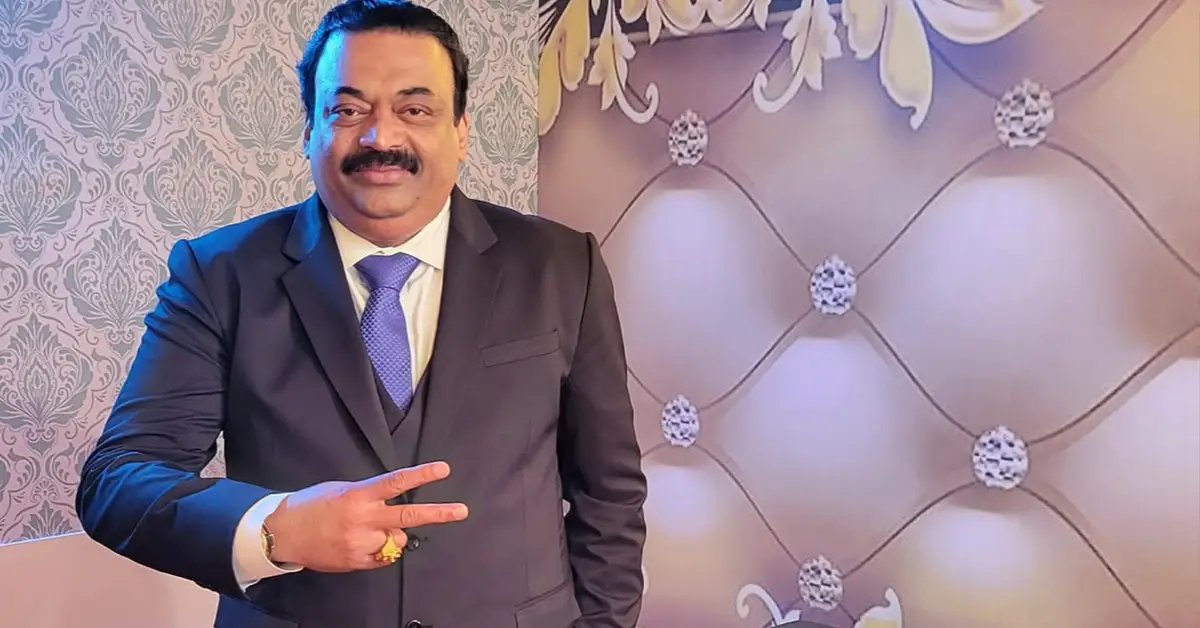
A Bengaluru office on Richmond Road. An Income Tax Department search on its third day. A single gunshot at 3:15 pm. That sequence, on January 30, 2026, ended the life of Chiriankandath Joseph Roy, known across South India’s real estate and film circuits as Dr CJ Roy — and reopened a question the property sector has spent years avoiding: how much debt is actually sitting behind the glass towers.
Roy founded Confident Group in 1991 and grew it into one of Bengaluru’s most recognisable developers, with more than 150 completed projects spanning tens of millions of square feet across Bengaluru and Kerala, later extending into Dubai and the United States. He also built a second career producing Malayalam cinema and reality television, including Star Singer and Bigg Boss Malayalam, and was working on the Bhavana-led film Anomie at the time of his death.
None of that was in question when I-T officials, led by Joint Director (Investigation) Krishna Prasad KK, arrived at Confident Group’s headquarters for a follow-up search on January 28, 2026 — a continuation of a search first conducted in December 2025. Roy had been summoned back from Dubai, where he was based, and had reportedly cooperated fully, giving a recorded statement two days before his death.
His brother, Babu Roy, told reporters the pressure had been building for weeks.
“My brother had told me many times that the pressure from the Income Tax department was too much.”
— Babu Roy, to The News Minute
The family went further, alleging that raids continued even after Roy’s death and that documents were seized afterward — a claim that pushed the case well beyond a routine tax story. Karnataka Deputy Chief Minister DK Shivakumar announced a high-level probe within a day, and the case was eventually handed to a state Special Investigation Team.
Income Tax officials pushed back on the “raid” framing entirely, telling reporters the December search proceedings had already concluded and that the January visit was limited to lifting seals on documents under a prohibitory order — procedural, not punitive, in their telling. The dispute over vocabulary — search versus raid — became its own flashpoint, with critics asking why a licensed firearm hadn’t been secured if officials were present throughout.
Investigators later recovered a nine-page diary that read, by multiple accounts, like a suicide note — apologising to his family, laying out instructions for Confident Group’s future, and referencing setbacks in foreign ventures, personal debts, and business associates. In April 2026, the SIT closed its probe, concluding Roy had died by suicide linked to depression during the raid period, after reviewing financial records and testimony from family, officials, and associates. Confident Group had separately been in tax litigation before the Income Tax Appellate Tribunal and the Karnataka High Court for years prior.
What makes the case resonate beyond Karnataka is structural, not personal. Indian real estate has long run on a mix of cash-heavy transactions, layered corporate entities, land-bank valuations that are more opinion than fact, and years-long gaps between collecting customer payments and delivering projects. A developer can look solvent on paper — tens of millions of square feet built, a presence in Dubai and the US — while sitting on exposure that only surfaces the moment a regulator starts asking for documents. Roy’s diary reportedly referenced exactly that: setbacks abroad, debts at home, pressure nobody outside the family saw coming.
That gap between public image and private balance sheet is precisely what regulators, lenders, and increasingly homebuyers are now pricing in. Credit rating agencies have spent much of 2026 flagging developer debt exposure across the sector, and Roy’s case — however it is ultimately adjudicated — has become the reference point real estate circles invoke when the conversation turns to how little outsiders actually know about a developer’s real financial position until enforcement arrives.
Confident Group has continued operating under its existing leadership since Roy’s death, with inheritance questions over the group’s future still unresolved as of this writing.