In India’s fragile Himalayan ecosystem, agriculture is both a livelihood and a persistent challenge. Difficult terrain, harsh winters, shrinking cultivable land, and the steady migration of young workers to cities have long limited the region’s agricultural productivity. Against this backdrop, Uttarakhand-based agritech startup Mountstribe Agritech is working to transform mountain farming through IoT-enabled cold-water aquaponics — a model that integrates fish cultivation and soil-free crop production in a closed-loop, resource-efficient ecosystem.
Founded in 2019 and headquartered in Dehradun, the company was established by Kumar Ravi Bibhuty and Prabhat Ramola, who envisioned a technology-led agricultural system that could function effectively in mountainous conditions while also creating local livelihood opportunities. The founders positioned the venture not merely as a farming company but as a rural innovation platform designed to make high-value agriculture viable in Himalayan regions.
Mountstribe – Startup Snapshot
| Startup Name | Mountstribe Agritech Pvt. Ltd. |
| Founded | 2019 |
| Headquarters | Dehradun, Uttarakhand, India |
| Founders | Kumar Ravi Bibhuty (CEO), Prabhat Ramola (COO) |
| Industry | Agritech / Sustainable Farming |
| Core Technology | IoT-enabled cold-water aquaponics |
| Primary Focus | Trout farming, hydroponic vegetables, circular water-recycling agriculture |
| Mission | Sustainable Himalayan farming and rural livelihood generation |
Reimagining farming for cold mountain environments
Mountstribe’s core approach centres on adapting aquaponics specifically for cold-water Himalayan ecosystems. The integrated system combines fish farming — particularly cold-water trout — with hydroponic plant cultivation, allowing fish waste to act as natural nutrients for crops, while the plants simultaneously filter and recycle the water back into the fish tanks.
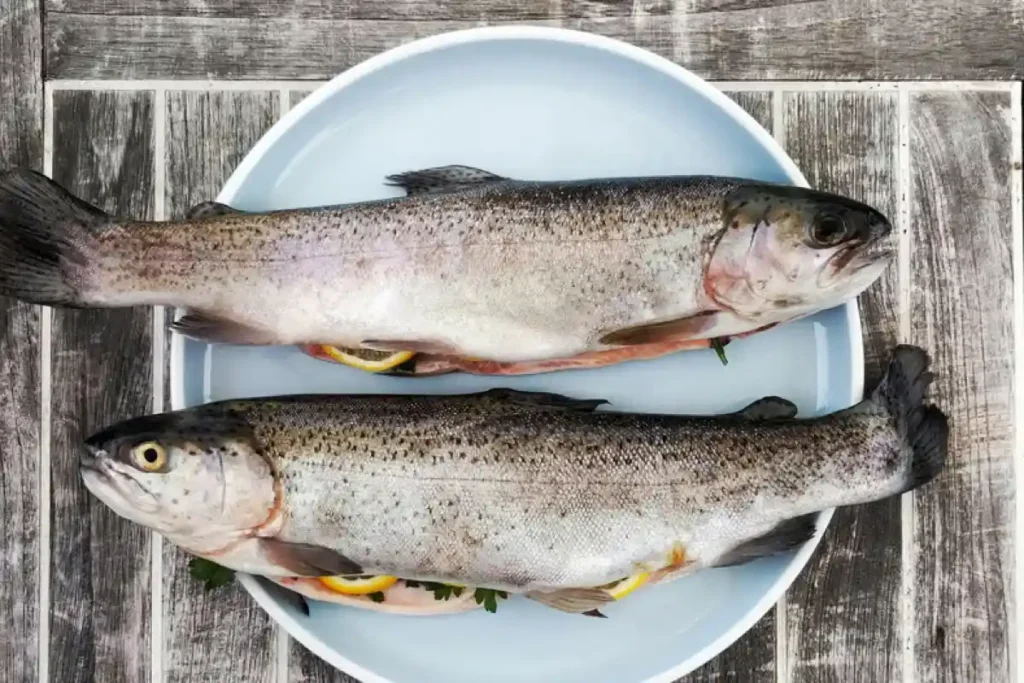
The company claims that this circular production model can significantly reduce water consumption compared to traditional agriculture while also eliminating the need for chemical fertilizers. By operating within controlled environments, the system is designed to support year-round production even in regions where seasonal weather fluctuations normally limit agricultural output.
According to the company’s published materials, its installations use IoT-enabled monitoring systems that track water quality, dissolved oxygen, nutrient balance, and environmental parameters in real time. This automation is intended to stabilise production cycles and reduce dependency on continuous manual supervision — a key advantage for remote mountainous locations.
Linking agritech innovation with rural employment
Beyond agricultural productivity, Mountstribe frames its mission around addressing the economic realities of Himalayan migration. Many hill communities face declining populations as younger residents relocate to urban centres in search of employment. The startup’s operating model therefore emphasises decentralised farming units and local workforce training.
Mountstribe claims its aquaponic infrastructure can function as livelihood-generating rural assets, enabling communities to produce both fish and high-value crops locally while reducing dependency on conventional farming methods that may be less economically sustainable in mountainous terrain.
This community-oriented positioning differentiates the venture from many hydroponic startups that primarily target premium urban supply chains.
Integrated production of trout and premium greens
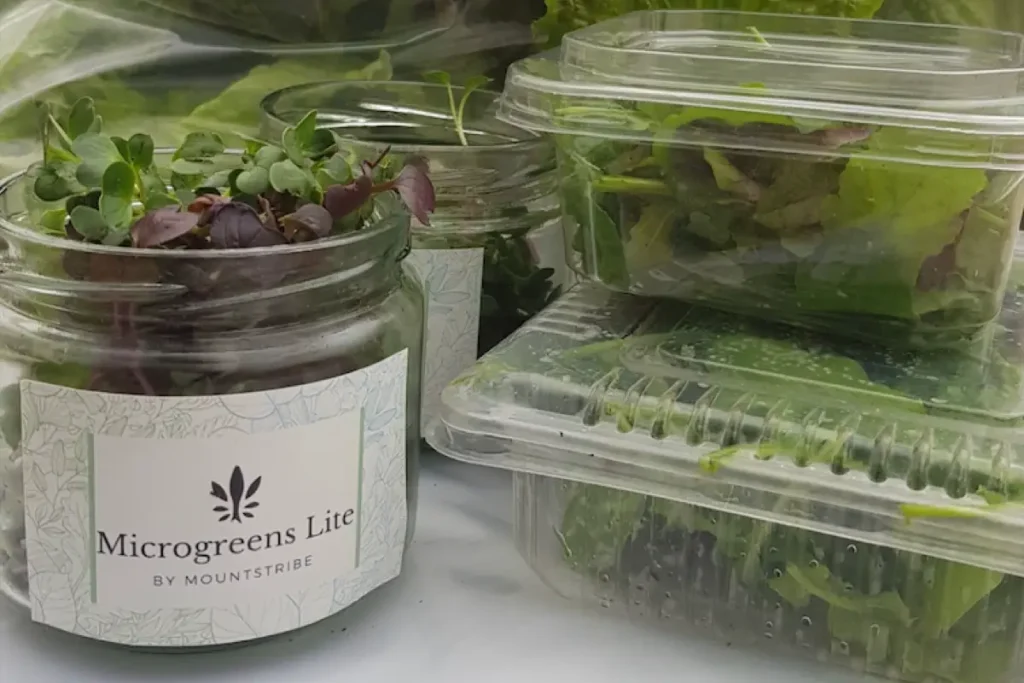
Mountstribe’s operational facilities are designed to produce both cold-water fish and market-ready vegetables simultaneously. This dual-output system is intended to improve farm economics by generating multiple revenue streams from a single water ecosystem.
In a published interview with agricultural industry platform HortiDaily, company leadership described how the cold-water aquaponic model enables simultaneous cultivation of trout and leafy vegetables within a controlled environment while conserving substantial water resources. The report also highlighted that the company’s Himalayan installations are intended to demonstrate the feasibility of technologically managed agriculture in geographically challenging regions.
Positioning sustainability at the centre of operations
Mountstribe consistently positions environmental sustainability as a core pillar of its business model. The company claims that its water-recycling production systems can operate using only a fraction of the water required by conventional agriculture — a feature particularly relevant in regions facing climate variability and fragile ecological balance.
Because the aquaponic process relies on biological nutrient cycling rather than synthetic fertilizers, the company states that its produce is grown without chemical inputs typically associated with traditional farming.
Controlled farming environments are also designed to reduce exposure to unpredictable rainfall patterns, frost damage, and soil degradation — risks that often impact agricultural productivity in Himalayan districts.
Expanding agritech as regional development infrastructure
Mountstribe’s long-term strategy appears to extend beyond operating individual production facilities. The startup presents its aquaponic model as a replicable agricultural framework that could potentially be deployed across multiple mountainous regions.
By combining digital monitoring systems, circular farming architecture, and local training initiatives, the company aims to demonstrate that advanced agritech infrastructure can serve as both a food production solution and a regional economic development tool.
Such approaches are increasingly relevant as policymakers, sustainability initiatives, and agricultural development programs seek solutions that balance ecological preservation with employment generation in environmentally sensitive geographies.
A technology-driven future for Himalayan agriculture
As India’s agritech sector evolves, innovation is gradually expanding beyond urban controlled farming systems into geographically complex rural landscapes. Mountstribe Agritech represents one such attempt to adapt advanced agricultural technology to mountain-specific environmental constraints.
By combining IoT-enabled monitoring, circular aquaponic production, and a stated focus on rural livelihood creation, the company is positioning itself at the intersection of sustainable agriculture, climate-aligned food production, and regional economic transformation.
If scalable, such models may help illustrate how technology-driven farming systems can unlock new agricultural potential in regions historically viewed as difficult for high-efficiency production.