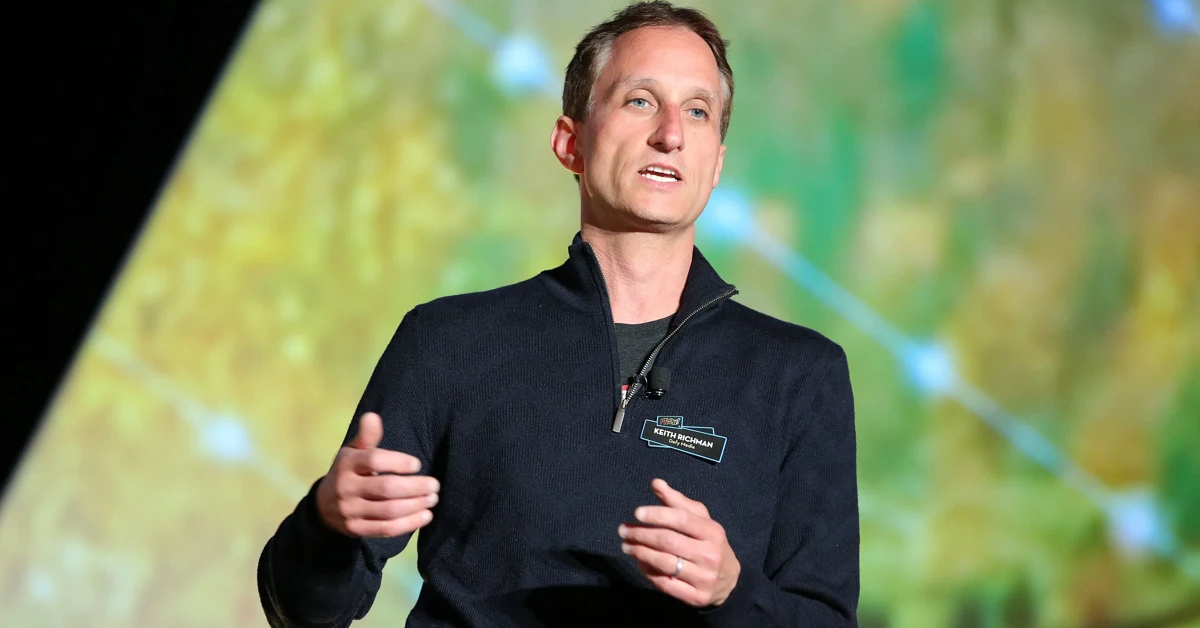
More than half of companies that reduced headcount in the name of AI-driven efficiency are now experiencing regret, according to tech executive Keith Richman, who shared the insight on LinkedIn and X earlier this week.
Richman, a Silicon Valley veteran, referred to LinkedIn’s annual “25 Big Ideas That Will Define 2026” as context for his observation, noting a trend of “boomerang hiring” – companies rehiring employees they had previously laid off.
“Over half the companies that did layoffs because of AI now regret it,” Richman wrote on LinkedIn, adding that the wave of rehiring “already looks directionally right.”
Lessons From Early AI Layoff Experiments
Tech and startup companies have aggressively adopted AI, often reducing human roles to cut costs and streamline operations. However, Richman highlights the unintended consequences:
- Klarna, the fintech company, automated customer support and cut human agents, resulting in declining customer satisfaction and subsequent rehiring of support staff.
- Duolingo replaced contractors with AI initially, only to moderate that approach when human judgment proved essential for quality outcomes.
“The takeaway isn’t ‘don’t adopt AI,’” Richman emphasized. “It’s a push and pull as companies figure out where AI truly adds leverage without hurting service quality.”
Expert Voices and Layoff Statistics
Industry experts note the rise of “layoff regret” is part of a broader labor trend:
- Sundar Pichai, CEO of Google, said in a November interview with BBC that AI should act as an “accelerator” for human productivity rather than replace workers, adding that concerns about AI-driven job losses deserve open debate.
- Data from Layoffs.fyi indicates over 100,000 tech and startup employees were laid off in the last 12 months, with AI-related cuts accounting for a growing subset.
- Analysts at Gartner estimate that nearly 30% of AI-driven layoffs are now being revisited or reversed within 6–12 months due to operational impact.
Trend Implications for 2026: Boomerang Hiring and Workforce Strategy
The trend of rehiring former employees could reshape workforce planning:
- Companies may adopt a hybrid approach combining AI automation with human expertise.
- Critical roles requiring creativity, empathy, or nuanced judgment are likely to remain human-led.
- Startups and larger tech firms may refine their workforce strategies to prevent talent loss while scaling AI initiatives.
Despite these insights, layoffs remain widespread. According to a report by The Times of India, recent reductions have affected major tech firms across cloud services, hardware, and AI startups.
Richman’s observations arrive as companies plan AI integration strategies for 2026. The early narrative that AI would replace large portions of human labor is giving way to a more nuanced approach where automation complements rather than replaces human roles.
“Companies are learning that AI adoption without context can backfire,” said Laura McCarthy, HR tech analyst at Gartner. “The ones revisiting layoffs are realizing human expertise is still invaluable.”
Looking ahead, the trend highlights a critical lesson for AI-driven organizations: balancing automation with human judgment is essential. Companies that prematurely cut staff for AI efficiency risk operational disruption and may find themselves in a cycle of layoff regret and boomerang hiring.