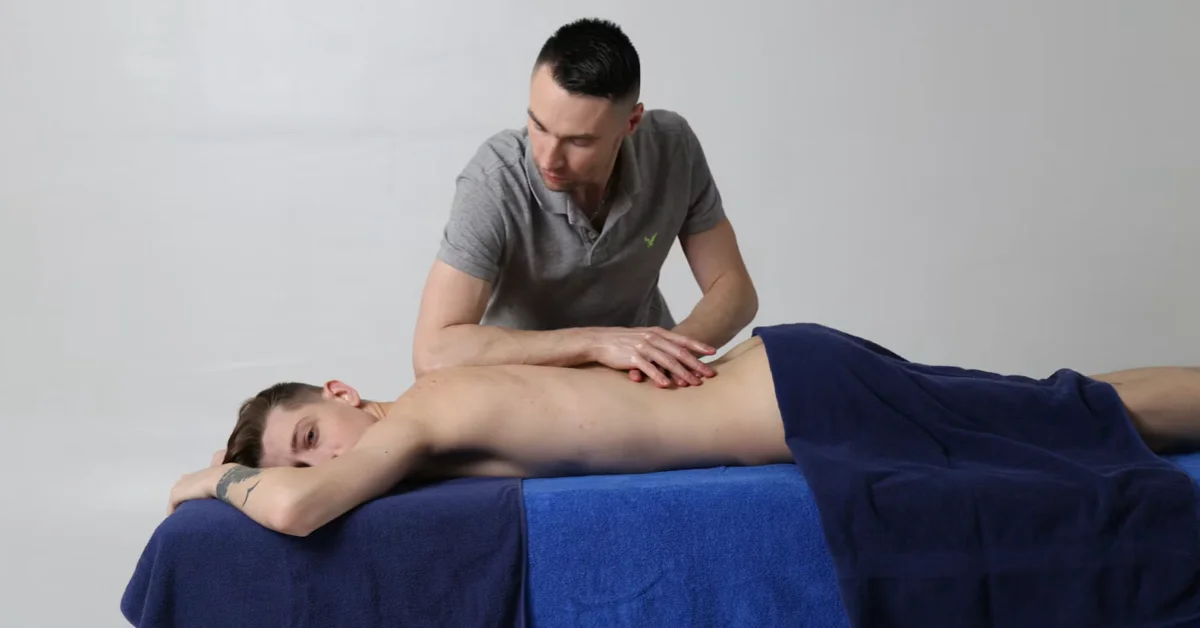
Most people book their first home physiotherapy session and then spend the next couple of days wondering what’s actually going to happen. Will there be equipment? Does treatment start the same day, or is it just talking? How long does it take?
Worth knowing what to expect, because the first session sets everything up.
Home physiotherapy sits inside a much larger need. The WHO estimates that about 2.4 billion people worldwide live with a health condition that could benefit from rehabilitation, and much of that need goes unmet. Musculoskeletal problems drive most of it: around 1.71 billion people are affected, and low back pain is the single leading cause of disability in 160 countries. If your first visit is for a stiff back or a sore knee, you are far from alone, and the first assessment is where a long recovery plan starts.
Disclaimer: This article is general information only and isn’t medical advice for your specific condition. Please consult your doctor and a qualified physiotherapist before beginning any treatment programme at home.
Before They Arrive
A little preparation saves time that should go toward actual assessment and treatment, not sorting things out at the door.
Have these ready:
- Any MRI, X-ray, or scan reports for your condition
- Surgical discharge papers if you’re recovering from a procedure
- A list of current medications
- Doctor’s referral if you have one
Wear something loose. The physiotherapist needs to see how you move and get to the area of pain. Shorts for knee and hip conditions. A loose T-shirt for back and shoulder problems.
Clear a space roughly two metres square near your bed or sofa. That’s enough for most sessions.
Also think through three specific things your condition is stopping you from doing right now. Getting up from a chair without help. Walking to the end of the road. Sleeping through the night. Specific goals give the physiotherapist something real to work toward rather than just treating a symptom.
History and Assessment First
Physiotherapy at home in Pune starts with the physiotherapist understanding what’s going on before doing anything else.
They’ll ask about when the problem started, what makes it better or worse, any previous surgeries or injuries, and what your daily routine actually looks like. Work posture, activity level, and how you sleep matter as well. A physiotherapist who knows you sit for nine hours a day and drive an hour each way treats your back differently from one who doesn’t know any of that.
The home environment adds something a clinic can’t. They can see your actual chair. Your desk setup. The sofa you end up working from some afternoons. Recommendations come from that, not from guessing.
The Physical Assessment
After the conversation, the physiotherapist does a hands-on assessment. It’s methodical and usually quite gentle.
Typically covers:
- Posture, how you stand, sit and move
- Range of motion in the affected joints
- Muscle strength through gentle resistance testing
- Specific clinical tests depending on the condition
- Movement pattern analysis, watching how you sit down, bend, or walk
They’ll probably ask you to do movements that reproduce your pain. That’s deliberate. They need to know what provokes the problem to treat the actual cause, not just manage around it.
Does Treatment Start the Same Day?
Usually yes, at least partially. Most first physiotherapy home visits in Pune include some treatment after the assessment.
Common first-visit treatment:
- Manual therapy to release tight muscles or mobilise stiff joints
- Soft tissue work on the affected area
- A few initial exercises taught with proper technique before being prescribed
Manual therapy in physiotherapy isn’t the same as spinal adjustment; if you’re weighing the two, here’s how chiropractic care and its different treatment approaches work.
The therapist can also see how you move through your actual home. The height of your furniture, your mattress, your kitchen setup, and even the way you use your stairs can reveal things that may be contributing to your discomfort. These details can then be factored into your treatment and recovery plan.
Before They Leave
A good physiotherapist wraps up the session with:
- A plain summary of what they found and what’s likely causing it
- Two or three exercises written out clearly
- What to do and avoid until the next visit
- A rough sense of how long recovery is realistically going to take
The exercises you’re handed at the end of that visit matter more than most people expect. An overview of systematic reviews in Systematic Reviews (2024) found that non-adherence can reach 70% in unsupervised home exercise programmes. A review focused on low back pain put adherence anywhere between 8% and 91% across studies. The takeaway is simple. Ask for two or three exercises, ask for them in writing, and tie them to something you already do daily, such as after brushing your teeth or before your evening tea.
What Happens After
Some soreness the next day is normal. Muscles and joints that have been stiff and guarded for weeks don’t love being worked properly for the first time. It settles within a day or two.
Do the exercises that were prescribed. Research on physiotherapy outcomes in India shows patients who follow their home programme between sessions recover faster than those who only attend the sessions themselves. The sessions provide direction. The exercises in between do most of the actual work.
Keep notes on how you feel between visits. What improved, what was harder, anything that felt different. That feedback helps the physiotherapist adjust your programme at the next session rather than continuing blind.
The first home physiotherapy visit in Pune is the foundation. Everything that follows builds on what gets established here, so arriving prepared and communicating honestly from the start makes a real difference to how the whole course of treatment goes.
How openly you talk to your therapist also affects how well treatment works. A systematic review in Physical Therapy found that a stronger therapist–patient working relationship appears to improve outcomes in physical rehabilitation, though the authors noted the strength of that link still needs more research. A scoping review of musculoskeletal rehabilitation looked at 26 studies on alliance and adherence, and 57% of them showed some connection. In practice, tell your physiotherapist what hurts, what you skipped, and what you can realistically manage.