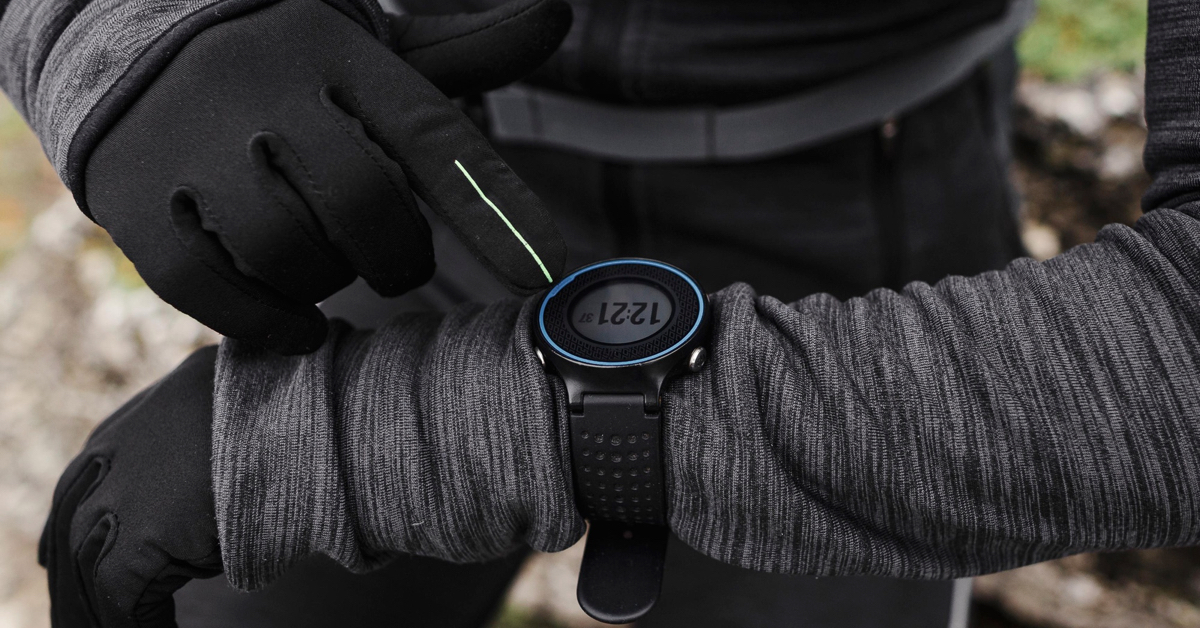
A rugged watch is no longer defined solely by its ability to withstand demanding conditions. Over the years, it has become a statement of personal style, technical innovation, and cultural identity. From outdoor-inspired designs to limited collaborations that merge streetwear, motorsport, entertainment, and fashion, modern watches demonstrate how durability can coexist with individuality. The scale of that shift is visible in the numbers: Casio’s G-Shock series had shipped 100 million units worldwide by September 2017, making it one of the clearest examples of a tough watch becoming a mainstream style choice.
The category has a specific origin. After two years of development, the G-Shock debuted simultaneously in Japan, the United States, and Europe in 1983. Launching in three major markets at once gave the watch reach from day one, which helps explain why collaborations around it carry real commercial weight rather than niche novelty.
The transformation of rugged watches has also changed how collectors and enthusiasts view special releases. What was once primarily associated with practical performance has developed into a category where design stories, collaborations, and exclusivity play an increasingly important role. Casio G-Shock watch models show this shift clearly, pairing a recognisable robust look with features built for everyday use.
From Utility to Cultural Icon
The earliest rugged watches were largely developed around straightforward practical requirements. They needed to cope with movement, impact, changing environments, and regular use without compromising basic timekeeping. As lifestyles became more active, these qualities appealed to people beyond professional and outdoor communities. Digital technology played a significant role in broadening the possibilities of rugged watch design. Digital displays, alarms, backlighting, stopwatches, and other functions made watches useful companions rather than simple instruments for telling time.
The earliest rugged watches were largely developed around straightforward practical requirements. They needed to cope with movement, impact, changing environments, and regular use without compromising basic timekeeping. As lifestyles became more active, these qualities appealed to people beyond professional and outdoor communities. Digital technology played a significant role in broadening the possibilities of rugged watch design. Digital displays, alarms, backlighting, stopwatches, and other functions made watches useful companions rather than simple instruments for telling time.
The design philosophy was written into the brief from the start. Ibe’s team worked to a “triple 10” target: survive a 10-metre fall, resist water to 10 bar, and hold a 10-year battery. Layers of shock-absorbing rubber alone did not stop the watches from breaking. The turning point, as Kikuo Ibe told Dezeen, came when he saw a girl bouncing a ball in a park and imagined floating the watch’s module in the same way. That idea led to a module held inside a hollow case so that it appears suspended in mid-air, the construction behind the chunky silhouette that later collaborations reinterpret.
The Role of Iconic Collaborations
Collaborations have played a major role in expanding the creative boundaries of rugged watches. Instead of developing every design internally, watchmakers began working with artists, designers, brands, sports personalities, and cultural properties. These partnerships allow a familiar watch platform to acquire a completely different personality. A collaboration might introduce a new colour palette, graphic treatment, strap design, or packaging concept while retaining the fundamental construction of the original model.
The appeal lies partly in recognition. Enthusiasts may already appreciate the technical qualities of a particular watch, while the collaborative element gives them another reason to connect with it. The resulting model can become a meeting point between horology and another area of popular culture. Collaborations can also preserve a sense of history. References to earlier models, classic colourways, or influential design movements can transform a contemporary release into something that feels connected to a particular era.
The Influence of Colour, Materials and Visual Identity
Colour has become one of the most powerful ways to distinguish special watch releases. Traditional black, grey and metallic tones communicate practicality, while brighter shades can create a more expressive appearance. Collaborative editions frequently use colour to reflect the identity of their creative partner. A watch associated with a fashion label may adopt its signature palette, while a motorsport-inspired model could draw from racing colours and automotive finishes.
Materials contribute another layer of visual storytelling. Resin, stainless steel, carbon-inspired structures and different surface treatments can produce contrasting impressions. A combination of brushed and polished elements, for example, can make a rugged watch appear more refined without removing its bold character. These choices illustrate how modern watch design has moved beyond simple functionality. Every component can contribute to the personality of a model.
Why Limited Editions Continue to Attract Collectors
Limited releases occupy a distinctive space within the watch market because they combine familiarity with difference. The underlying platform may be well established, but the special treatment creates an opportunity to experience it from another perspective. Collectors may appreciate the connection to a particular collaboration, while casual buyers may simply prefer the distinctive design. This broad appeal has helped limited editions become an important part of contemporary watch culture. For buyers, though, the visual appeal of a release is only part of the decision. Authenticity, model specifications, warranty coverage, and after-sales support matter just as much, particularly with an edition that is hard to replace once it sells out.
Understanding the difference between a standard model and a special edition can also help buyers determine what makes a particular watch meaningful to their collection. The buying experience itself has consequently become part of modern watch culture. Customers increasingly look for clear product information, dependable delivery, appropriate packaging, and straightforward support alongside the watch.
The Future of Rugged Watch Design
The evolution of rugged watches shows no indication of slowing down. Future designs are likely to continue combining established durability principles with new materials, digital capabilities, and increasingly creative collaborations. Technology may introduce additional functionality, but the fundamental appeal of a rugged watch remains remarkably consistent: it offers a sense of reliability while allowing the wearer to express individuality.
Collaborations are likely to remain particularly influential. As watchmakers continue engaging with fashion, sport, entertainment, art and lifestyle brands, new releases can bring different audiences into the world of watches. At the same time, consumers are becoming more informed. Rather than looking only at appearance, many buyers consider movement, construction, water resistance, materials, warranty, and long-term usability before making a purchase. This encourages manufacturers and retailers to provide greater transparency and stronger customer support.
Conclusion
The journey of rugged watch design reflects a broader change in how people understand watches themselves. What began with an emphasis on resilience and practical performance has developed into a dynamic combination of engineering, design, cultural influence and collectability. Iconic collaborations and special releases have helped turn rugged watches into recognisable expressions of identity while preserving the functional qualities that made them popular in the first place.
Authenticity matters most when buying limited editions in the UAE. Under Federal Decree-Law No. 42 of 2023 on Combating Commercial Fraud, selling or possessing counterfeit goods is prohibited and carries heavy penalties. Official guidance for shoppers is to buy from trusted stores and to keep invoices and warranty cards after every purchase. For a collectible, those papers are also part of its provenance.
For readers in the UAE, the practical details are worth weighing alongside design and collectability: whether the stock is authentic, whether the warranty is manufacturer-backed, and how delivery, returns and after-sales support are handled. Retailers such as Wristbear publish these terms openly, which makes comparing options easier. Ultimately, the continuing evolution of rugged watches demonstrates that durability does not have to come at the expense of creativity. Through thoughtful design, technological development, and carefully considered collaborations, these watches continue to redefine what a robust everyday accessory can represent.