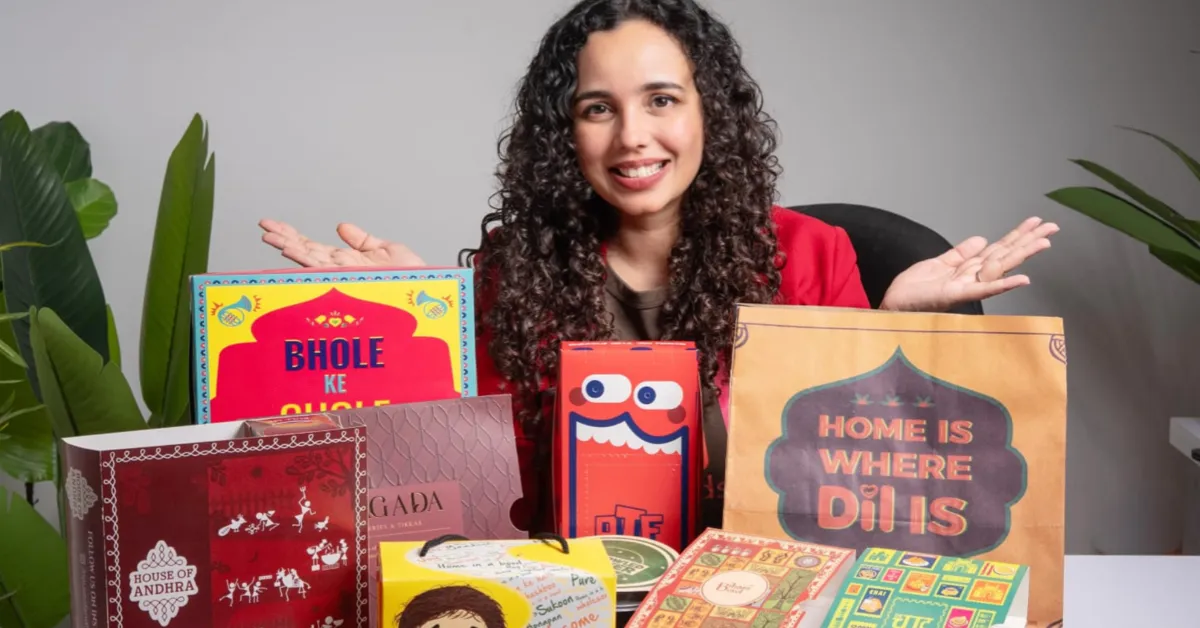
Dil Foods, a Bengaluru-based virtual restaurant enabler, has raised ₹72 crore in a Series B funding round led by the family office of Bikaji Foods International, with participation from existing investors V3 Ventures, MJV Ventures, and Alteria Capital, along with undisclosed international funds.
The raise takes Dil Foods’ total funding to ₹113.35 crore, including ₹37.7 crore raised across its Seed and Series A rounds. Founded in 2022 by Arpita Aditi, the company operates a platform that partners with local restaurants — using their existing kitchen capacity — to run delivery-first food brands on Swiggy and Zomato. The asset-light model sidesteps the real estate-heavy costs of conventional cloud kitchens entirely.
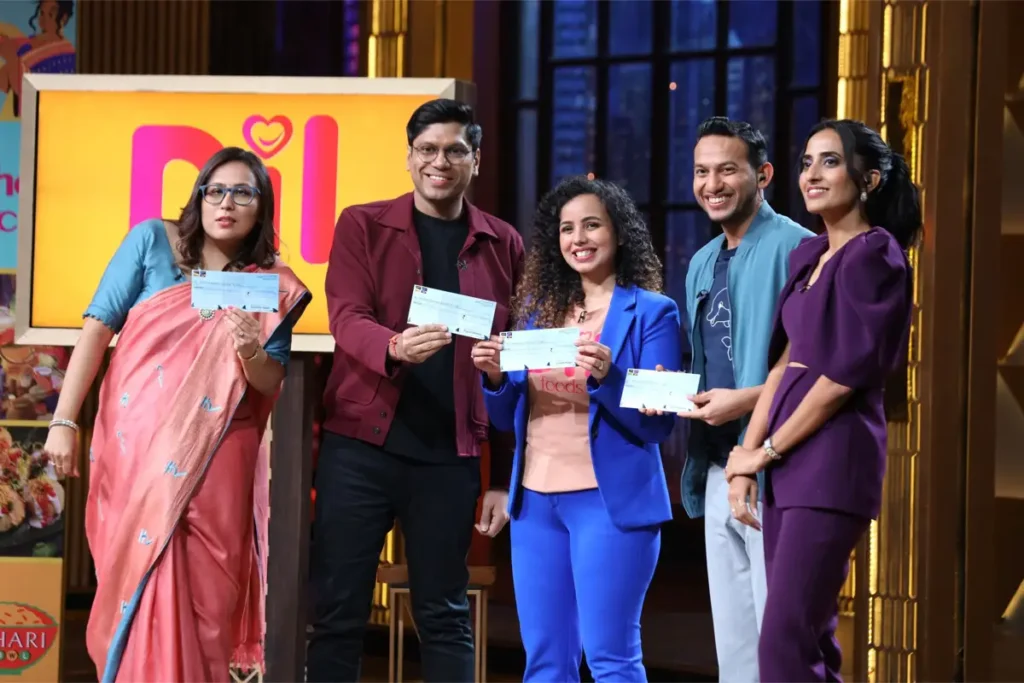
Arpita Aditi brings an unusual founder profile to the food business. A biotech engineer from MIT, she channelled stints at Himalayan Drugs, Reliance Capital, and Swiggy into a clear-eyed understanding of both supply chains and consumer behaviour before launching Dil Foods in 2022. The platform’s early credibility got a significant public moment on Shark Tank India Season 3, where Arpita closed a ₹2 crore deal for 2.67% equity — backed by all four sharks: Radhika Gupta (Edelweiss Mutual Fund), Vineeta Singh (Sugar Cosmetics), Peyush Bansal (Lenskart), and Ritesh Agarwal (OYO Rooms). The four-shark close is rare on the show and signalled early conviction in both the founder and the model.
Dil Foods currently operates 10 regional food brands, including Khichdi Bar, Bihari Bowl, House of Andhra, and The Chaat Cult, across six cities and over 340 pincodes, with more than 300 restaurant partners onboarded. It set up one of Bengaluru’s largest central kitchens last year, spanning over one lakh square feet, to support back-end production and supply standardisation across partner kitchens.
Arpita Aditi framed the raise around capturing a larger share of India’s fast-evolving food delivery market:
“Dil Foods has always been built on the idea of creating a sustainable ecosystem in the food industry. This funding will help us double down on that belief and capture a larger share of the consumer’s plate. With this capital, we aim to scale to 600 locations by FY28 and reach an annualised revenue of ₹500 crore. A significant portion will also go into strengthening our backend production and supply chain.” — Arpita Aditi, Founder, Dil Foods
The Bikaji Foods family office involvement is the strategic highlight of this round. Deepak Agarwal, Managing Director of Bikaji Foods International, pointed to a shared conviction around regional Indian cuisine — the same culinary DNA that built Bikaji’s snack empire now backing a platform designed to take India’s diverse food culture to more consumers through digital distribution.
Mohammed Ali Shariff, Partner at MJV (Mount Judi Ventures), offered the clearest description of what Dil Foods actually is: not a cloud kitchen play, but a distributed virtual brand network built on infrastructure that already exists — turning idle restaurant capacity into branded, scalable delivery businesses without requiring partners to build from scratch.
The growth trajectory validates the model. V3 Ventures, which backed Dil Foods at the Series A when the platform operated from just 30 locations, noted a 30x scale achieved since — a trajectory that makes the 600-location FY28 target look achievable rather than aspirational.
India’s online food delivery market is projected to reach $59 billion by 2030, driven by rising disposable incomes, convenience-led consumption, and accelerating demand for regional cuisines beyond metro taste profiles. Dil Foods competes in this space against Rebel Foods, EatClub, and Curefoods — all of which operate at significantly higher capital bases. The virtual restaurant enabler model, if it scales as planned, offers a structurally lower-cost path to the same outcome.
Also Read: Bombay Banta Raises ₹8 Crore Pre-Series A Led by DSG Consumer Partners