
Entrepreneurship Isn’t a Career Choice – It’s a Calling
From a talk at Netaji Subhas University of Technology, a reality check on why entrepreneurship demands total immersion, not part-time passion.

From a talk at Netaji Subhas University of Technology, a reality check on why entrepreneurship demands total immersion, not part-time passion.

Quick commerce rewrote the rules. The either/or debate is over — what Indian founders are navigating now is a five-channel sequencing problem, not a binary choice.

Before a developer writes a single line of code, this document decides whether your website succeeds or just ships.
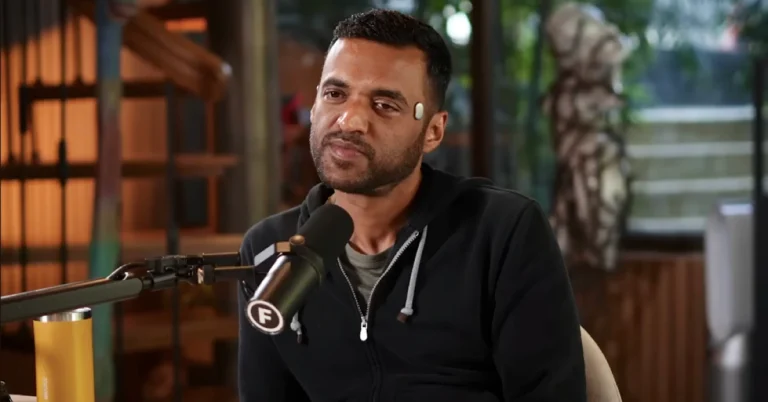
A $54 million fundraise and a controversial hiring filter have turned Temple into more than just another startup launch — they’ve exposed a deeper shift in how founder-led companies are shaping culture, capital, and identity in 2026.

A founder’s honest confession about the mistakes, wrong priorities, and hidden realities that nearly slowed his startup journey — and what every first‑time entrepreneur should understand before launching.
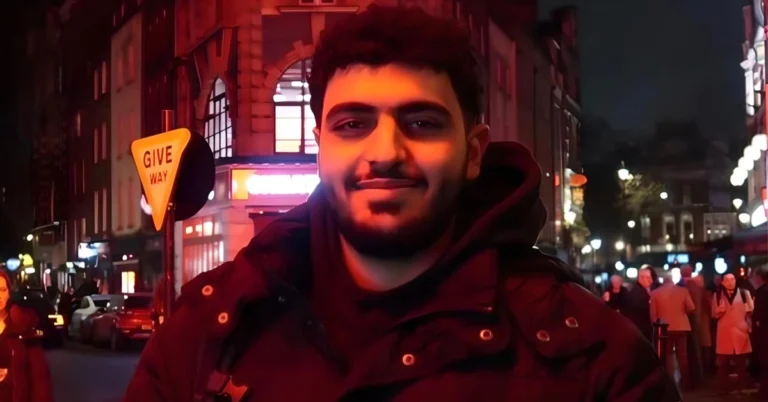
Irbid, Jordan-based startup LeadSynth AI uses AI to monitor real-time conversations on Reddit, Telegram, and X, helping founders capture leads when it truly matters.
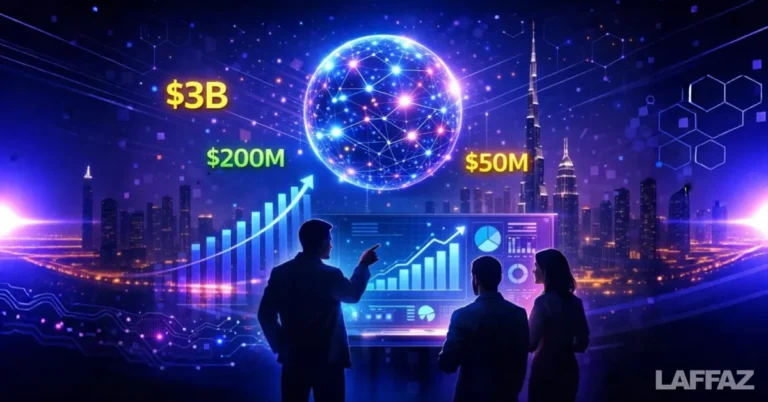
Early 2026 funding rounds in the Middle East reveal new trends in AI investment, IPO readiness, and the rise of institutional-backed capital shaping the startup ecosystem.
How Abu Dhabi’s $100M AI investment reveals a deeper shift in how sovereign capital is reshaping startup funding in 2026

From bodybuilders to new parents, more mothers are turning excess milk into cash — but health risks remain.
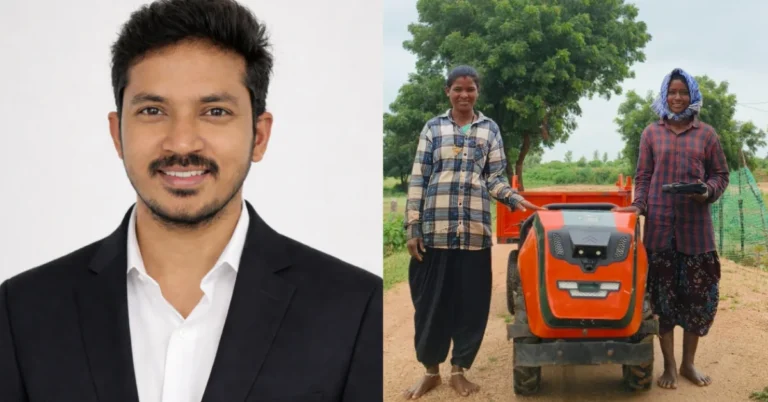
How founder Sreekanth Reddy Vajrala built FarmRobo electric iMog robot to help small farmers cut labour costs, and why it just won global recognition.

The complete legal roadmap covering company registration, Startup recognition, GST setup, and founder compliance checklist

A practical founder-first guide to legally starting a startup in India in 2026 — covering company structure, registration workflow, GST rules, compliance timelines, and investor-readiness mistakes most founders discover too late.